Service

Dirt work in Mayflower

Dirt work in Mayflower is moving, placing, and compacting soil. David walks the pile and the pad and writes the number before a truck is ordered.

BBB A+

Accredited business

24 YRS

Same crew, working since 2002.

INSURED

Licensed and covered on commercial sites

FREE

On-site estimate, written number

What dirt work is

Dirt work is the soil itself.

Pads, drives, undercuts, and rough grade sit on this page.

It is not a landscaping bed.

The main Mayflower page introduces the contractor.

Excavation services in Mayflower are the cuts that make the spoil.

Site grading in Mayflower shapes that soil to an elevation.

Building pad construction in Mayflower is the surface a slab will use.

David looks at the pile and the pad before a truck is ordered.

Clay, sand, and organic soil are not the same fill.

Usable soil is separated from muck.

Native soil stays when it will carry the next layer.

Select fill or stone is a line when it will not.

Haul is named only when dirt must leave or must arrive.

The dump and the distance are on the estimate.

This page does not print a yards-per-load figure.

Length, width, and depth are measured on the site or read from the plan.

Shrink and compaction change how much must be ordered.

David writes that quantity.

A sample pad is not calculated here.

Fill goes in layers when the estimate calls for compaction.

A deep pile rolled only on top settles later.

A testing lab is used when the spec asks for a test.

A failed test means more work, and that is said up front.

Moisture is looked at before a layer is rolled.

Wet fill waits, or it is worked, and the number says which.

A long haul costs more time than a push to the edge of the pad.

Stone is not swapped in for soil the spec did not name.

A quantity written on a napkin is remeasured on the ground.

The pad is proof-rolled when the spec asks for that roll.

Spoil that can stay is kept off the building corners.

Imported soil is its own line on the number.

A deep cut in this soil can fall under the OSHA trenching page on soil that may not stand.

The flag is written next to the dirt price when the Mayflower hole needs it.

Phone the crew at (501) 269-6860 on weekdays between 8 and 5.
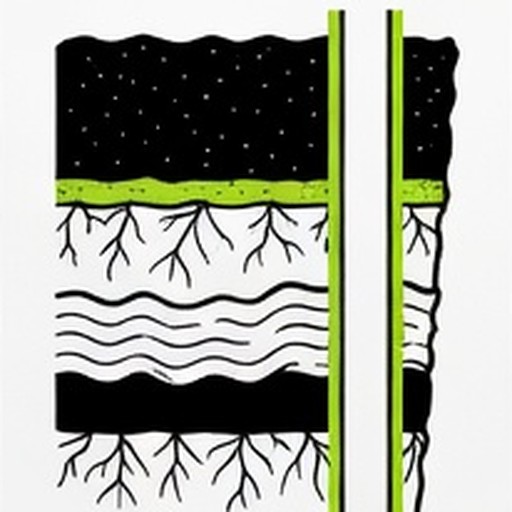
Dirt work on a Mayflower site

Dirt work is the soil itself: what is moved, what is compacted, and what has to leave the lot.

Quantities come from the walk or the plan. Shrink and haul are written on the estimate.

When you need it

Pads

Soil placed and compacted for a house, a shop, or a slab.

Drives

A corridor cut, shaped, and ready for gravel.

Undercut

Bad ground removed and replaced.

Rough grade

The lot brought close before finish work.

Spoil

Piles placed where they do not block the builder, or hauled off.

Ditches

A swale cut so water has a path.

How the job runs

  1. 01

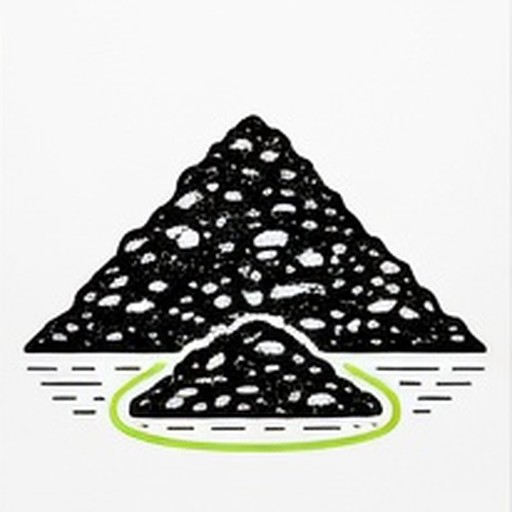
    Look at the soil

    Clay, sand, and organics are not the same fill.

    The soil looked at before it is moved
  2. 02

    Decide what stays

    Usable soil is separated from muck.

    Usable soil separated from muck
  3. 03

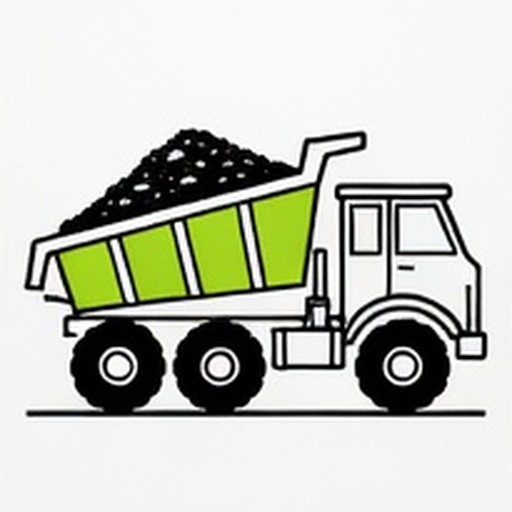
    Set haul

    If dirt must leave, the estimate includes trucks and a place to take it.

    Haul named when dirt must leave
  4. 04

    Place fill

    Lifts, not one deep push.

    Fill placed in layers
  5. 05

    Compact

    The pad is proof-rolled or tested when the spec asks for it.

    The pad compacted when the spec asks
  6. 06

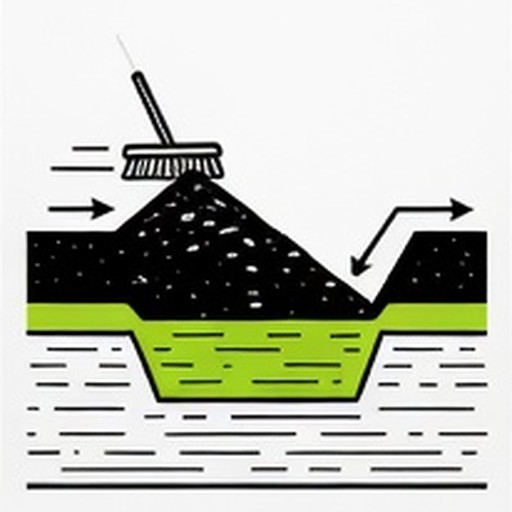
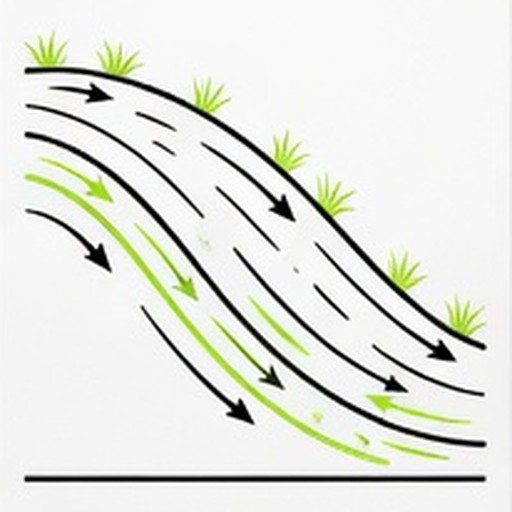
    Shape water

    The surface sheds. It does not hold a pond against the slab.

    The haul path checked for utilities
  7. 07

    Protect the drive

    The way in is left usable for the next truck.

    Native soil left where it can stay
  8. 08

    Review the pile

    You see what was moved before the invoice is only a surprise.

    The pad walked before the next trade

What the walk records

The walk records the soil, the pad, and whether dirt must leave. Haul and compaction are named there.

Yards

Volume is the base unit.

Moisture

Wet fill takes more passes or has to wait.

Haul distance

A dump down the road is not the same as a dump across the county.

Replacement material

Stone or select fill is priced when native soil will not do.

Retests

If a lab is involved, failed tests mean more work. That is said up front.

What to have ready

Bring any dirt quantity you were given. David will measure it on the ground.

A stake that shows the pad edges.

Where fill will be placed, and where spoil can leave.

A soils note, if the lab already wrote one.

A place the trucks can turn.

Utilities in the haul path.

Areas where the native soil must stay.

The date the pad has to hold the next trade.

Dirt work questions

Moving, placing, and shaping soil.

Pads, drives, undercuts, and rough grade sit on this page.

It is not a landscaping bed.

The truck is chosen after the volume is known.

This page does not print a yards-per-load figure.

The estimate names the haul.

Length, width, and depth come from the site or the plan.

Shrink and compaction change the order.

David writes the quantity. A sample pad is not calculated here.

A deep pile rolled only on top settles later.

Fill is placed in layers when the estimate calls for compaction.

Each layer is compacted before the next one goes on.

Related services

Excavation

Cutting earth to the depth and shape a plan calls for.

Site grading

Shaping the ground to the elevation the plan calls for.

Building pads

A compacted surface ready for a slab or a building.

Based in Mayflower

Dirt work here is quoted in Mayflower and Conway. Home base is Mayflower.

GROWFULLY LLC

The Mayflower page is the one for this service. These towns are where the same crew already travels. Each town page comes later, with one keyword of its own.

FREE ESTIMATE

GET A REAL NUMBER

Tell us what you need cleared or graded and David gets back to you with a real number.

Or email growfullyllc@gmail.com. Mon-Fri 8:00 AM – 5:00 PM CST. Closed Sat and Sun.

Owner quotes every job

BBB A+ accredited

Licensed and insured

Written on-site estimates

Request a quote

Usually same-week site visits on commercial work.

Full form →