Service

Land clearing in Mayflower

Land clearing in Mayflower takes trees, stumps, and brush off ground you will build on. David walks the tract and writes the number before a machine is scheduled.

BBB A+

Accredited business

24 YRS

Same crew, working since 2002.

INSURED

Licensed and covered on commercial sites

FREE

On-site estimate, written number

What land clearing is

Land clearing in Mayflower takes trees and stumps off a tract. The tract might be for a pad, a road, or a building area. This page is that job. It sits under the Mayflower forestry service category. Lot clearing, mulching, and brush each have their own page.

A tract can be mulched, grubbed, or cleared and hauled. Those are different results. Mulch leaves a layer and the roots. Grubbing pulls stumps so a pad can be built. Haul-off takes the wood away when a mulch layer is not wanted. The estimate names which one you are buying.

Selective clearing opens the building spot and the drive. The rest of the woods can stay. That is still land clearing if the stumps in the priced area come out. It is not the same scope as one house lot. The lot page stays on one lot.

A fence corridor is a strip, not a whole tract. Brush clearing can open that strip. If the corridor needs stumps out and soil opened, the line on this estimate says so. The name on the bid should match the ground.

David walks the timber before he writes the number. He notes pine, hardwood, and stems too large to mulch. Thickness of the stand changes the number. So does the choice to leave chips or haul them. A machine is not booked from a phone photo.

Keep trees are marked before the machine starts. House trees and property-line trees get flagged with the owner or the builder. Unmarked timber inside the priced area comes out. A keep tree is not a guess at the end of the day.

Stumps follow the next trade. A slab needs them out. A trail might leave them. If the builder needs them gone, grubbing is in the scope. If the next trade is grading, the note says where clearing stops. Roots in the pad are not a surprise left in the ground.

Debris is decided on the same walk. Chips can stay. Wood can be piled. It can be hauled. The note names which one. Burning a debris pile later is up to the owner. Burn notices are on the Arkansas Forestry Division guidance on burning debris piles. No date for a ban is printed on this page.

The drive and the pad come first when the whole tract is not in the price. The corridor is written down. An extra strip is not a free add. Access from the road is its own line when ditches or a tight gate block the machine.

Haul-off is its own line when the chips cannot stay. Spoil has a place to stack, or it leaves. Those are not folded into a single mulch pass. The estimate separates them.

The phone sets the walk. It does not set the price. Call (501) 269-6860, Monday through Friday, 8:00 to 5:00. Email is growfullyllc@gmail.com. Say whether the ground is a tract, a corridor, or a building spot.

Work on this page is in Mayflower and Conway. Each tract gets a written number before a machine is scheduled. Growfully LLC is pinned on the map below.

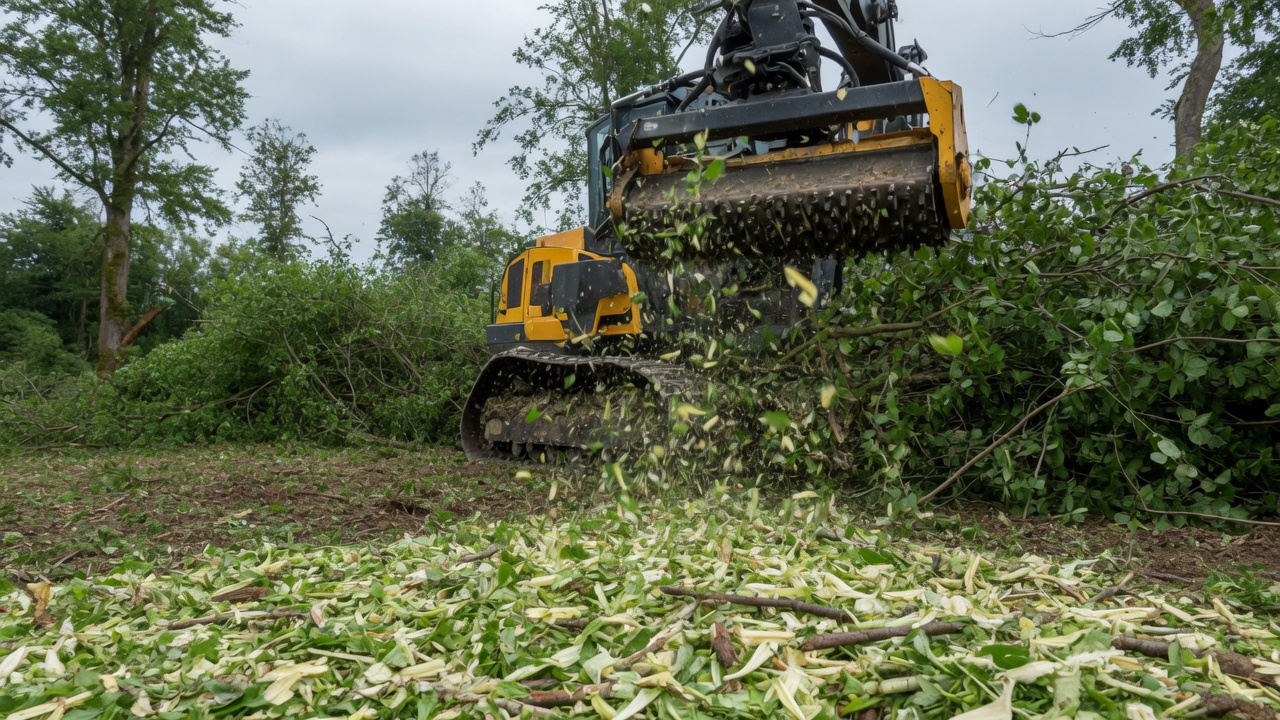
Land clearing on a Mayflower site

Land clearing takes the trees and stumps off the ground you intend to build on or drive across.

A mulcher leaving a chip layer on the ground

Forestry mulching

Mulch mat over intact soil. Stumps and roots stay in the ground.
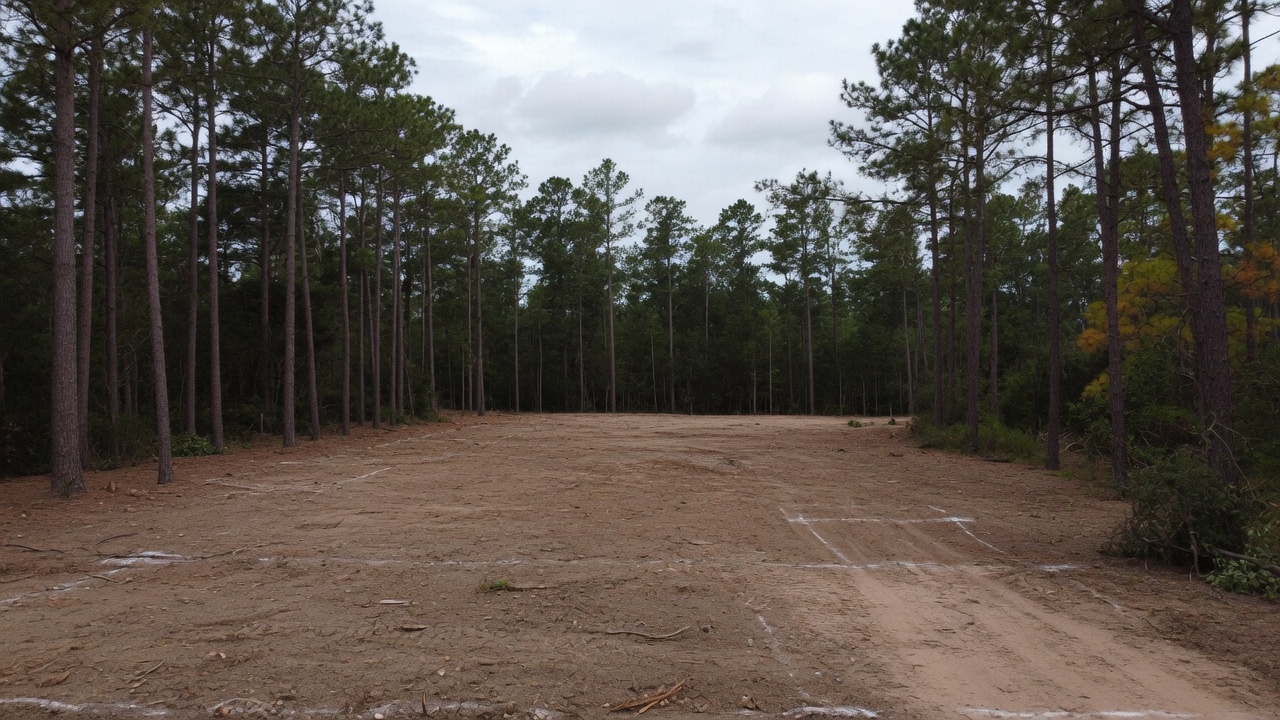
Bare ground after the stumps and debris are gone

Grubbing and haul-off

Bare soil, stumps and root balls pulled, holes backfilled, debris gone.
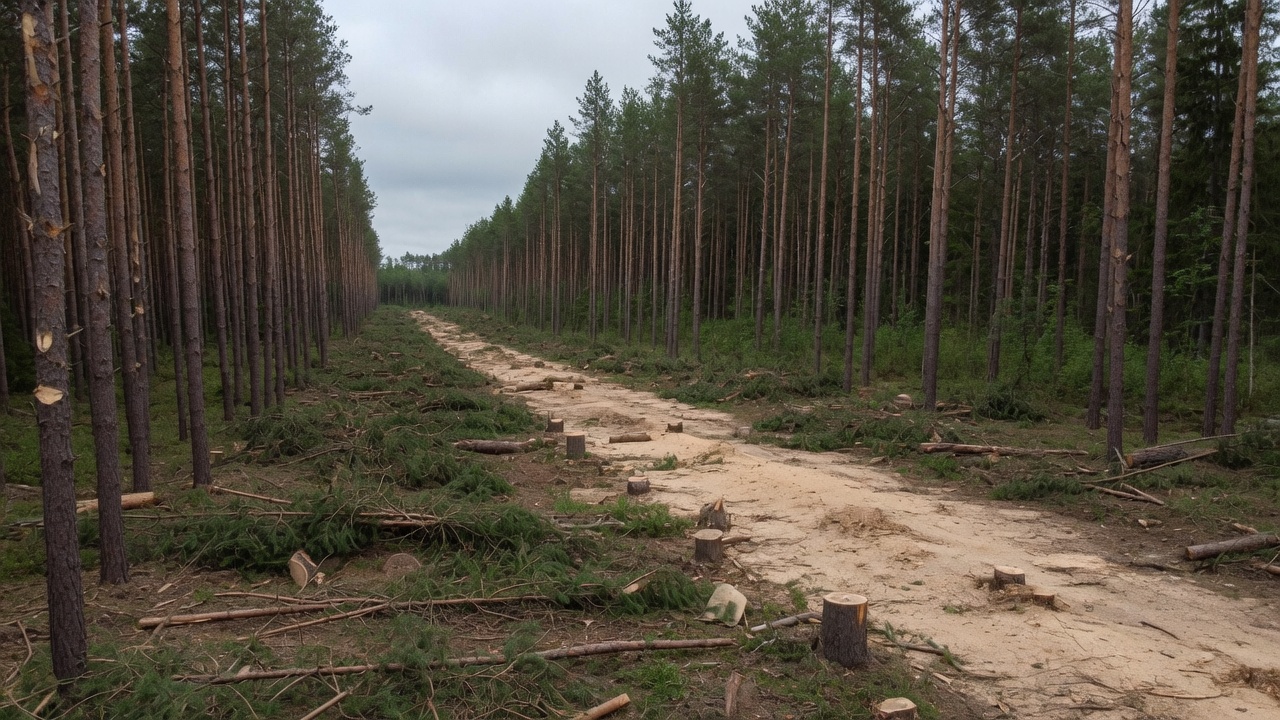
Pines left standing along a thinned lane

Selective clearing

Thinned canopy with the trees you chose still standing.

MethodForestry mulchingGrubbing and haul-offSelective clearing
SpeedFastest in light growth, with no haulSlowest when stumps and debris are hauledModerate - driven by how much has to be worked around
Cost (relative)No haul in the basic methodHaul and disposal are part of the workThe work follows how much must stay
DebrisGround in place and left as a mat that holds soilLoaded and hauled to a legal disposal or grinding site, or burned by permitMulched, chipped or hauled depending on access and what stays
Best usePasture reclamation, trails, fence lines, fuel reduction, solar prep where stumps can stayAnything structural: building pads, slabs, parking, roads, utilitiesHomesites, driveway corridors, view and access lines, tracts kept wooded

Mulch a tract you meant to pave and you pay for it twice.

When you need it

Forestry mulching

Brush and small trees ground in place. Stumps of large trees may remain.

Grubbing

Stumps and roots pulled so a pad can be built.

Haul-off

Wood and debris removed when you do not want a mulch layer.

Selective clearing

The building spot and the drive opened. The rest of the woods left.

Fence lines

A corridor cleared so a fence can be built.

How the job runs

  1. 01

    Walk the trees

    See what is pine, hardwood, and what is too large to mulch.

    Woods walked before the method is chosen
  2. 02

    Mark what stays

    House trees and property-line trees are flagged before the machine starts.

    Trees marked to keep
  3. 03

    Choose the method

    Mulch, grub, or haul. One method. Written down.

    Mulch, grub, or haul written down
  4. 04

    Clear the corridor

    Drive and pad first if the whole tract is not in the price.

    The drive and pad cleared first
  5. 05

    Deal with stumps

    If the builder needs them out, grubbing is in the scope.

    Stumps checked against the pad

What the walk records

The walk writes the method, the keep trees, and the debris choice. None of that is priced from the road.

Acres and density

Scattered pines and a thick hardwood thicket are not the same day.

Tree size

Large stumps take an excavator, not only a mulcher.

Haul

Taking debris off the property is a separate cost.

Slope and wet ground

A creek bottom is slower than a ridge.

What must stay

Selective work is slower than opening everything.

What to have ready

Bring the papers you already have. David can walk the tract without a timber cruise.

Any survey, plat, or stake the builder already set.

Where the house, shop, drive, or road should sit.

A soils note or a civil plan, if one exists.

Where spoil can be stacked, or that it must leave.

Known utilities, wells, septic lines, and fences.

Trees or areas that must stay.

The date the next trade needs the ground.

Land clearing questions

Land clearing is not priced from a printed range. Density, tree size, terrain, and debris change the number. David walks the tract and writes it. The number can be by the acre or a lump sum for the scope. It is not a guess from a photo.

Mulching grinds brush and small trees and leaves the roots. Grubbing pulls stumps and root balls. A pad or a slab needs the stumps out. A trail might only need a mulch pass. The estimate names the method.

A permit depends on the tract. This page does not list cities or agencies. David notes what the site needs after the walk. He does not file a permit from the truck. The written estimate is where that note sits.

Soft ground can be cleared when the timing is right. A heavy machine on saturated soil can rut it. The visit says whether to wait for a drier day. The method is written before the crew is sent.

Related services

Forestry mulching

Grinding brush and small trees in one pass.

Lot clearing

Clearing one building lot so the builder can start.

Brush clearing

Removing undergrowth without a full clear.

Based in Mayflower

Tract clearing on this page is Mayflower and Conway. The map pins Growfully LLC.

GROWFULLY LLC

Based in Mayflower. Tract clearing runs in Mayflower and Conway.

FREE ESTIMATE

GET A REAL NUMBER

Tell us what you need cleared or graded and David gets back to you with a real number.

Or email growfullyllc@gmail.com. Mon-Fri 8:00 AM – 5:00 PM CST. Closed Sat and Sun.

Owner quotes every job

BBB A+ accredited

Licensed and insured

Written on-site estimates

Request a quote

Usually same-week site visits on commercial work.

Full form →