
Service
Drainage service in Mayflower
Drainage service in Mayflower moves water off a pad, a drive, and a lot. It does this so water does not cut the ground or sit at a building. Growfully walks the ground and David puts the number in writing before a machine is scheduled.
BBB A+
Accredited business
24 YRS
Same crew, working since 2002.
INSURED
Licensed and covered on commercial sites
FREE
On-site estimate, written number
What drainage service is
Drainage service in Mayflower gives water a path off a pad, a drive, or a lot. The path is a swale, a culvert, a French drain, or erosion control while the soil is bare. This page is the category. It is not a second machine. David walks the ground. He writes the number before a machine is scheduled.
A swale is a shallow ditch shaped around a pad. It sends water past the building instead of through the fill. The ditch is only as long as the water needs. A short swale and a swale around a whole pad are different lines on the estimate.
A culvert is a pipe under a drive where water already crosses. The pipe has to sit low enough to take that water. It also needs cover so the drive can be used. A culvert where water already crosses a Mayflower drive is its own page. This category only shows where that pipe fits.
A French drain here is a gravel trench that carries water away from a structure. The trench is not a swale, and it is not a culvert. It needs a place for the water to arrive. A French drain that carries water off a Mayflower structure is priced on that page. The visit says whether a trench is the fix.
Erosion control keeps disturbed soil from leaving the site. Silt fence, blankets, and a stabilized entrance are the measures this page names. They stay while the soil is bare. Erosion control while a Mayflower site is bare is the page for those measures. They are a line on the same visit when the ground will be opened.
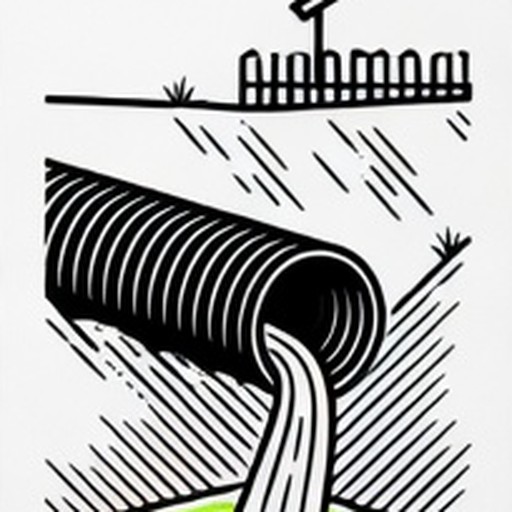
An outfall is the place the water is allowed to arrive. The estimate names that place. A neighbor’s yard is not an outfall. A ditch that already leaves the lot can be, if the water can reach it. David looks for that point before he prices a pipe.
Drainage and the pad elevation are planned together. A pad that sits in the water still holds it after a pipe is set. If grading is the next trade, the note says where drainage stops and the pad starts. Those are not a surprise left between two crews.
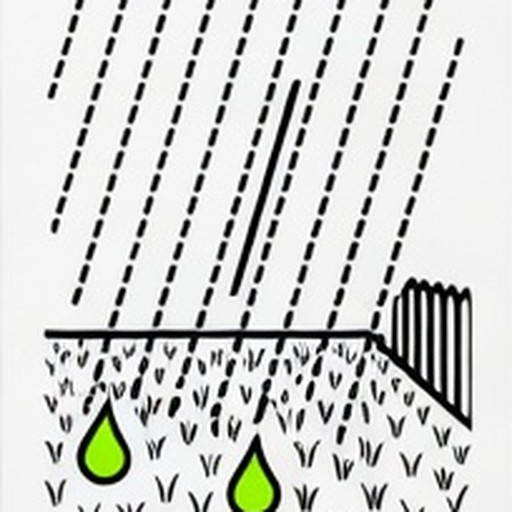
The visit starts with the path water already takes. Stains on the ground show it. A recent rain shows it too. The crew does not invent a new path when the old one is clear. The fix follows that path to an outfall.
Every drain needs a workable place to discharge. If that place is missing, the pipe is not the first line on the estimate. The water has to have somewhere legal to go. The note says where that is.
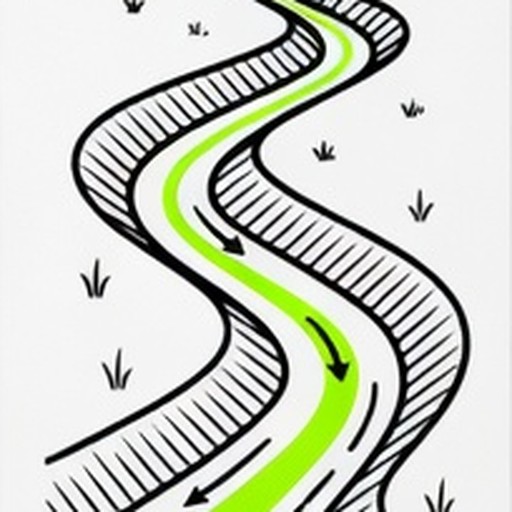
The estimate then names the fix. It can be a swale, a pipe, or a trench. One site can need two of those. They are written as separate lines. A blanket or a stabilized entrance is its own line when the soil will be bare.
Locates are called before any trench. Arkansas utility locates need time before digging. A private locate is a separate line on a developed lot. The crew does not dig while marks are still missing. Fences, wells, and septic lines are marked on the same walk.
The work is the shape or the install. The crew cuts the swale, sets the pipe, or builds the trench. Spoil is stacked where the note allows. If the spoil has to leave, haul-off is its own line. It is not hidden inside the trench price.
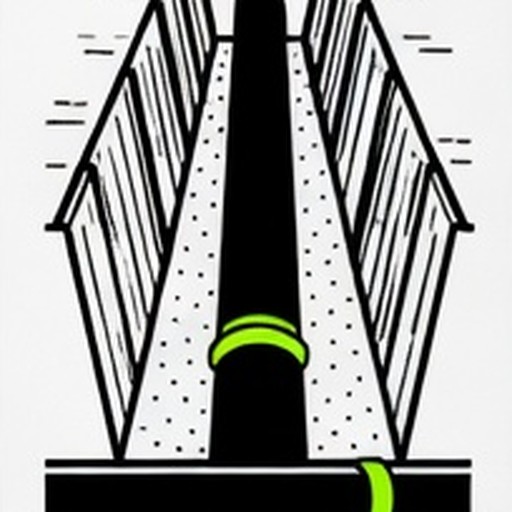
The pipe has to fall. A flat pipe does not drain. The invert is the height that makes the water move. David sets that height on the visit. A pipe that is too high will not take the water. A pipe that is too low can hold it.
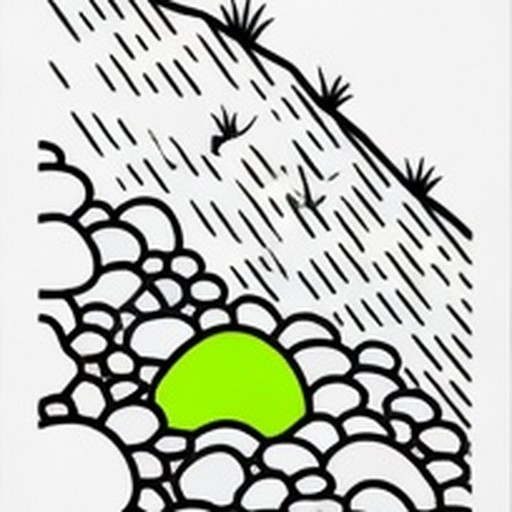
Bare soil is covered or protected before the crew is done. That can be a blanket, seed and mulch, or silt fence at the low side. The entrance is stabilized when trucks will keep using it. Open ground is not left for the next rain to cut.
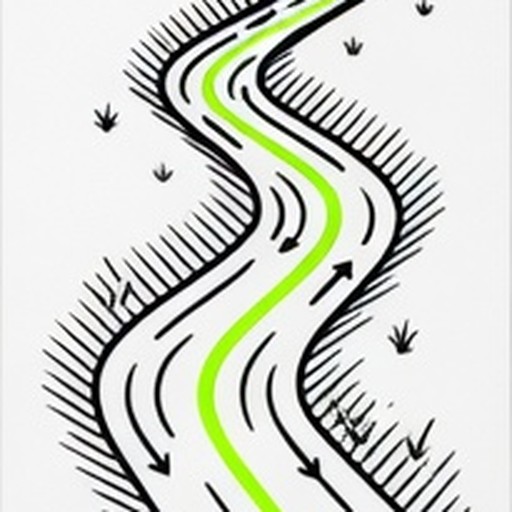
Where it can be done before the crew leaves, they run water and watch it leave. A bucket test or a hose shows whether the fall is real. If the water sits, the invert is corrected before the number is treated as finished. The proof is on the ground, not in a guess.
Four things on the walk move the written number. More trench is more work. A larger culvert costs more in material and in cover. A trench in rock is not a trench in clay. Getting a machine to the back of a lot matters. None of those is priced from the road.
Access is written down on its own. A tight gate, a soft approach, or a long carry changes how the crew gets in. A new drive is not folded into a culvert line. If the machine cannot reach the outfall, the estimate says so.
Rock is written down when the shovel finds it or when the cut will hit it. Clay that holds water is written down too. The same length of trench is not the same job in both. The note names the ground David actually walked.
Pipe size is a material line and a cover line. A wider pipe needs a wider trench. It also needs more cover under the drive. The estimate names the size. It does not leave the size for the day the truck arrives.
Length and depth are measured on the walk. A short trench at the uphill side of a pad is not a trench across the lot. Depth changes the spoil and the locate risk. Both numbers are on the page David writes.
Trees and areas that must stay are marked before the machine arrives. The crew walks those marks with the owner or the builder. A drain is routed around a keep tree when the outfall still works. A keep tree is not decided after the trench is open.
Bring a survey, a plat, or stakes if the builder already set them. A soils note or a civil plan helps when one exists. David can still walk the lot without a full plan. The papers do not replace the visit.
The phone sets the walk. It does not set the price. Call (501) 269-6860, Monday through Friday, 8:00 to 5:00. Email is growfullyllc@gmail.com. Say whether the water is at a pad, a drive, or a low spot on the lot.
Construction that disturbs soil can fall under the stormwater rules explained on the EPA page on construction site stormwater. Growfully flags that item when it applies to the Mayflower site. The flag is a line on the estimate. It is not a permit filed from the truck.
The crew works in Mayflower and Conway. A pad, a drive, and a lot are all walked first. Each one gets a written number before a machine is scheduled. The map on this page pins Growfully LLC.
Drainage service on a Mayflower site
Swales
A shallow ditch shaped to carry water around a pad.
Culverts
A pipe under a drive where water already crosses.
French drains
A gravel trench for water that sits against a shop or a house.
Erosion control
Silt fence, blankets, or a stabilized entrance while soil is bare.
Outfalls
A place the water is allowed to arrive, not a neighbor's yard by accident.
Ties to grade
Drainage and the pad elevation planned together.
How the job runs
- 01
Watch a rain
Or read the stains. See the path water already takes.
- 02
Find the outfall
Every drain needs a legal, workable place to discharge.
- 03
Size the fix
A swale, a pipe, or a trench. The estimate names it.
- 04
Call locates
Before any trench.
- 05
Shape or install
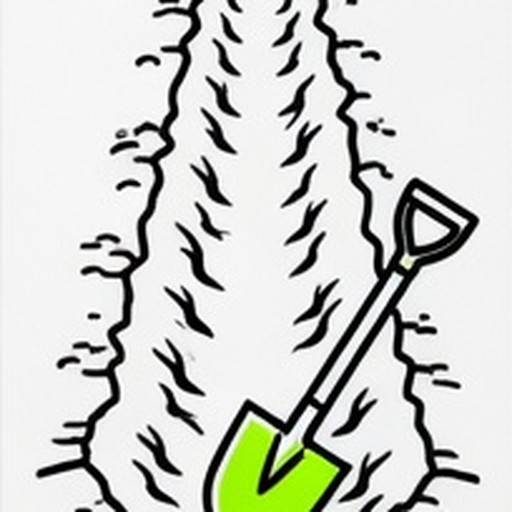
Cut the swale, set the pipe, or build the trench.
- 06
Set the invert
Water has to fall. A flat pipe does not drain.
- 07
Stabilize
Bare soil covered or protected before the crew is done.
- 08
Run water
Where you can, prove it leaves.
What the walk records
The walk writes four things into the number. None of them is a price guessed from the road.
Length and depth
More trench is more money.
Pipe size
A larger culvert costs more in material and cover.
Rock
A trench in rock is not a trench in clay.
Access
Getting a machine to the back of a lot matters.
What to have ready
Bring the papers you already have. David can walk the lot without a full civil plan.
Any survey, plat, or stake the builder already set.
Where the house, shop, drive, or road should sit.
A soils note or a civil plan, if one exists.
Where spoil can be stacked, or that it must leave.
Known utilities, wells, septic lines, and fences.
Trees or areas that must stay.
The date the next trade needs the ground.
Drainage service questions
The list is grading for positive drainage, swales and ditching, and detention and retention basins. It also includes culvert and drainage structure installation and outfall protection. It includes the erosion control measures a SWPPP requires while the site is open.
French drain installation is a Growfully service. The French drain page describes a gravel trench to an outfall. Swales, culverts, and erosion control sit on this category too.
In Arkansas, construction disturbing one acre or more needs coverage under the ADEQ construction general permit. So does work under one acre that is part of a larger common plan of development. A SWPPP is prepared and implemented before disturbance begins.
The permittee is, which on most jobs is the owner or the general contractor. What we control is that the measures shown on the SWPPP are installed correctly, maintained, and documented. We flag a plan item that will not hold in the field. We do that instead of installing it and waiting for the notice.
Related services
French drains
A gravel trench that carries water away from a structure.
Based in Mayflower
The crew works in Mayflower and Conway. The map pins Growfully LLC.
GROWFULLY LLC
Based in Mayflower. The crew works in Mayflower and Conway.
FREE ESTIMATE
GET A REAL NUMBER
Tell us what you need cleared or graded and David gets back to you with a real number.
Or email growfullyllc@gmail.com. Mon-Fri 8:00 AM – 5:00 PM CST. Closed Sat and Sun.
Owner quotes every job
BBB A+ accredited
Licensed and insured
Written on-site estimates
Request a quote
Usually same-week site visits on commercial work.