Service

Site grading in Mayflower

Site grading in Mayflower shapes the ground to the elevation a pad or a drive needs. David walks the high and low spots and writes the number before dirt is moved.

BBB A+

Accredited business

24 YRS

Same crew, working since 2002.

INSURED

Licensed and covered on commercial sites

FREE

On-site estimate, written number

What site grading is

Site grading sets the ground to the elevation a pad, a yard, or a drive needs.

Cut is soil taken where the ground sits high.

Fill is soil placed where it sits low.

A balanced site uses the cut to make the fill.

The Mayflower homepage holds the contractor proof for this crew.

Excavation services in Mayflower are the deeper cuts.

Site preparation in Mayflower adds clearing and stone when they are in the same scope.

Building pad construction in Mayflower is the compacted surface a slab needs.

David walks the high spot and the low spot before he writes the number.

He looks for where water sits now.

Stakes or a plan set the elevations.

If there are no stakes, the estimate says that.

Usable topsoil is stripped off the structural fill.

Fill goes down in lifts.

A pad that is only pushed around will settle.

Shoulders and swales keep water off the building.

The finished grade is checked against the plan or the stakes.

A tighter spec takes more passes.

The estimate names which spec this pad uses.

Import and export are trucking lines.

Wet clay can stop the day.

The visit says whether the crew waits or treats that soil.

Blue tops are checked when the builder has already set them.

A drive is shaped so trucks can use it and water can get off.

The yard is pushed away from the foundation.

Subgrade under stone is compacted before that stone is placed.

Proof-rolling is a line when the spec asks for a proof roll.

Opened ground can fall under the EPA stormwater page for construction sites.

That flag sits on the grading number when the Mayflower pad will stay bare.

The office line is (501) 269-6860, weekdays from 8 to 5.

No range is printed on this page.

Site grading on a Mayflower site

Site grading shapes the pad and the yard so water leaves the building instead of standing against it.

Cut and fill section
A pad being graded

Move the grade up and down: black is earth cut away, lime is earth brought in. Raise the grade and you buy dirt; lower it and you truck dirt off. An illustration of the idea, not an engineering tool.

When you need it

Building pads

Cut and fill so a slab or a pier foundation sits on the elevation you were given.

Lot grade

The yard shaped so water leaves the house instead of standing at the foundation.

Road and drive grade

A drive or access road set so trucks can use it and water has a way off.

Drainage tie-in

Swales and low spots connected so the grade and the drainage are one job.

Subgrade

The surface under stone or concrete, compacted enough for that next layer.

Blue tops

Grade checked against stakes or a plan, not against a guess.

How the job runs

  1. 01

    Walk it

    See where water sits now and where the building will sit.
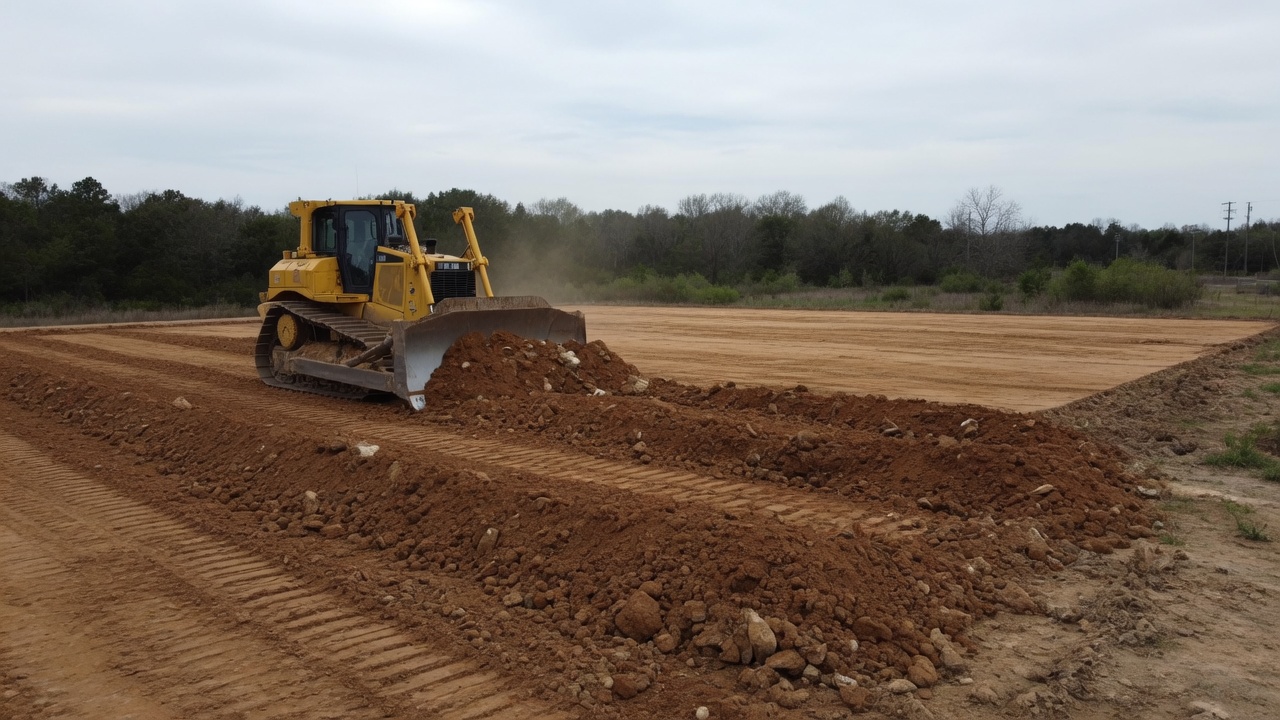
    The pad walked before the grade is moved
  2. 02

    Take the elevations

    Use the stakes or the plan. If there are no stakes, the estimate says so.
    Elevations taken from stakes or the plan
  3. 03

    Strip topsoil

    Keep usable topsoil off the structural fill.
    Topsoil stripped off the structural fill
  4. 04

    Cut and fill

    Move soil from high ground to low ground when the site balances.
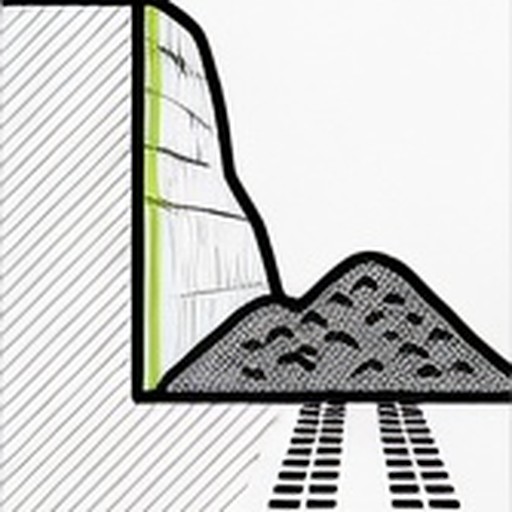
    Soil moved from high ground to low ground
  5. 05

    Compact

    Place fill in lifts. A pad that is only pushed around will settle.
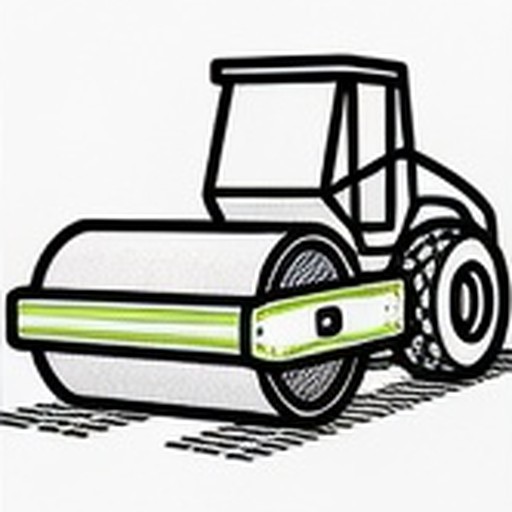
    Fill placed in lifts
  6. 06

    Shape the edges

    Shoulders and swales so water does not sheet across the pad.
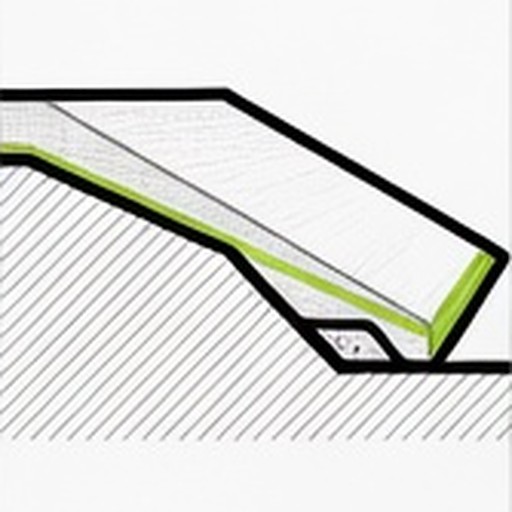
    Edges shaped so water leaves the pad
  7. 07

    Check the number

    Compare the finished grade to the plan or the stakes.
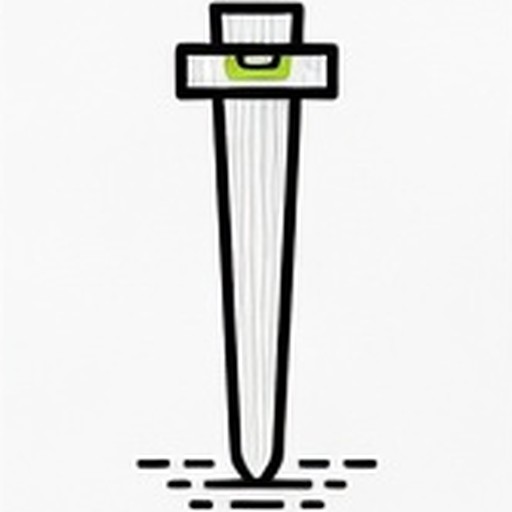
    Finished grade checked against the plan
  8. 08

    Hand it off

    The next trade sees a surface, not a pile.
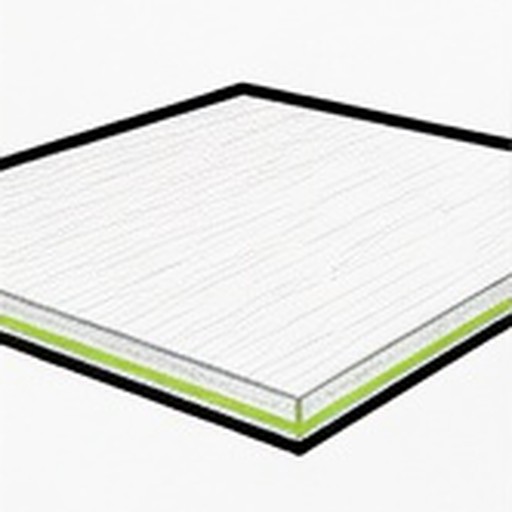
    The surface handed to the next trade
  9. 09

    Drainage and stabilization

    Swales, culverts, inlets and outfalls shaped and confirmed to flow. Slopes seeded or matted so the first storm does not take the grade with it.
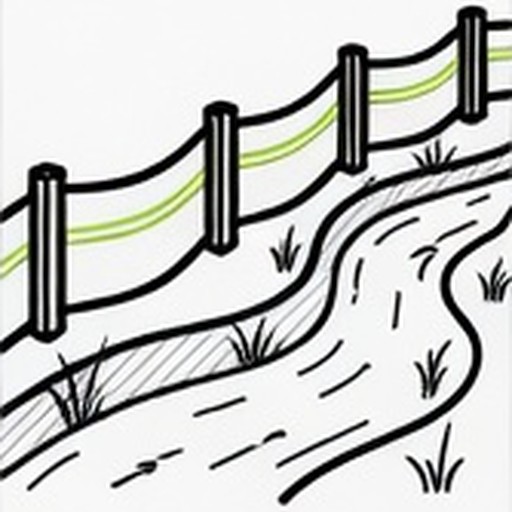
    Swales checked so the first storm has a path
  10. 10

    Walkthrough and handover

    The finished surface is walked with you. Elevations are confirmed before the next trade starts.
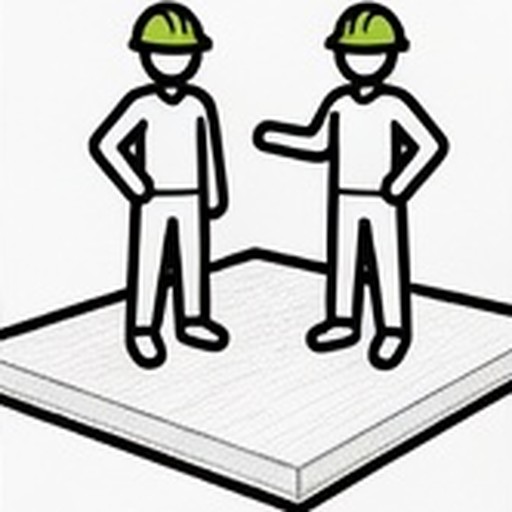
    The finished grade walked before handover

What the walk records

The walk records the high ground, the low ground, and where water leaves. Balance and haul are named there.

Balance

A site that needs imported fill costs more than one that balances.

Compaction

Proof-rolling and lifts take time. They are what keep a slab from cracking later.

Water

Wet clay in Mayflower weather slows the work and can mean waiting or treatment.

Tolerance

A tighter spec, such as a commercial slab, takes more passes.

Haul

Import or export is a trucking cost, stated in the estimate.

Access, phasing, erosion control

Grading around a live facility, SWPPP compliance, and control maintenance are real line items, not overhead.

What to have ready

Bring the grading sketch if you have it. David can read the slope on the walk.

Stakes or blue tops already set on the pad.

Where the pad, the yard, and the drive sit.

A tolerance note, if the plan names one.

Where stripped topsoil can be stockpiled.

Drains or a slab the grade must miss.

Trees that stay outside the graded area.

The date stone or concrete needs the subgrade.

Site grading questions

Rough grade moves the bulk of the soil and shapes the slope.

Fine grade brings the surface to the elevation the next trade needs.

The plan says which one this visit includes.

The number comes from the volume, the haul, and the soil.

A balanced site and a site that imports fill are not the same price.

No range is printed here. David writes it after the walk.

Cut is soil taken from high ground. Fill is soil placed on low ground.

A balanced site uses the cut to make the fill.

Haul is a line when soil must come or go.

The plan sets how close the finished grade must be.

A tighter spec takes more passes.

The estimate names the spec this pad uses.

Fill is placed in lifts and compacted to the spec the plan names.

A third-party lab confirms the density when the job includes that lab.

Standing water is often a slope that runs toward the building.

The walk looks for a path to a ditch or a swale.

Grade without that path only moves the puddle.

Related services

Excavation

Cutting earth to the depth and shape a plan calls for.

Site preparation

Clearing through a surface that is ready to build on.

Building pads

A compacted surface ready for a slab or a building.

Based in Mayflower

Grading on this URL is Mayflower and Conway only. The map shows Growfully LLC.

GROWFULLY LLC

The Mayflower page is the one for this service. These towns are where the same crew already travels. Each town page comes later, with one keyword of its own.

FREE ESTIMATE

GET A REAL NUMBER

Tell us what you need cleared or graded and David gets back to you with a real number.

Or email growfullyllc@gmail.com. Mon-Fri 8:00 AM – 5:00 PM CST. Closed Sat and Sun.

Owner quotes every job

BBB A+ accredited

Licensed and insured

Written on-site estimates

Request a quote

Usually same-week site visits on commercial work.

Full form →